A rented flat rarely arrives as the space you would have chosen. The walls are a beige you didn't pick, the ceiling has one bulb doing the work of three, and every idea you have ends with the same question: will this cost me my deposit? It doesn't have to. With a handful of renter-friendly changes — and a bit of care about what you stick, drape or plug in — a small flat can look warm, deliberate and properly yours.
Read the room before you buy anything
Start with a slow walk through the flat, notebook in hand. Note the fixed things you can't change: the position of sockets and ceiling light points, the colour of the floor, the size of the radiators, the condition of the walls. These set the limits your decorating has to work inside, and knowing them stops you buying a lamp that has nowhere to plug in.
Then read your tenancy agreement, and if anything is unclear, ask your landlord or letting agent in writing. Most agreements allow reasonable, reversible changes and forbid anything structural, but the details vary. Photograph every room on the day you move in, including any scuffs or marks that were already there. It takes twenty minutes and it is the single most useful thing you can do for your deposit.
Walls that change without paint
Removable, peel-and-stick wallpaper is the obvious starting point, and it has improved enormously in recent years. Look for papers described as repositionable or removable, and choose a pattern you can live with for a year or two rather than a season. Use it on one wall — behind a bed or sofa, or in a hallway — rather than all four. In a small room, a single patterned wall adds depth without shrinking the space.
It sticks best to smooth, fully cured, painted walls. Avoid bare plaster, flaking paint, textured finishes and walls that were painted in the last few weeks. Always test a small offcut in a hidden corner first, leave it for a fortnight, then peel it back. If it lifts paint, don't continue.
Applying it so it comes off cleanly
- Wipe the wall with a diluted sugar soap solution and let it dry completely.
- Measure twice, cut with a sharp blade against a steel rule, and leave a couple of centimetres of overhang at the top and bottom.
- Start at the top, peel back a small section of backing and smooth downwards with a felt-edged squeegee, working out air bubbles as you go.
- Trim the overhang along skirting and ceiling with a fresh blade.
- When you leave, warm the paper gently with a hairdryer and pull it back slowly at a low angle.
If wallpaper feels like too much commitment, framed prints hung from adhesive strips, a length of fabric stretched over a canvas, or a large mirror leaning against the wall all do similar work with no residue.
Lighting that leaves no holes
Bad lighting is the fastest way to make a rented room look tired, and it is also the easiest thing to fix. Aim for at least three light sources at different heights: a floor lamp, a table lamp, and something on the wall. Plug-in wall sconces, which run a slim cable down the wall to a socket, give you the look of fitted lighting without touching the wiring.
Choose warm white bulbs around 2700K and, where you can, dimmable ones. Smart bulbs are ideal here: they let you change brightness and colour from your phone and travel with you to the next place. Keep cables tidy with adhesive clips or self-adhesive trunking run along the skirting, and never overload sockets — a single good multi-way adaptor is safer than a chain of them.
Let textiles do the heavy lifting
Fabric softens everything: sound, light, hard floors. A rug is the single best purchase in a rented flat, because it covers whatever floor you have inherited and is yours to keep. Buy the largest one your room can take, and add an anti-slip underlay so it stays put.
Curtains are trickier, since new rails mean new holes. If a rail already exists, simply swap the curtains and store the originals in a labelled bag. For lightweight curtains and voiles, a tension rod inside the window recess works without any drilling at all.
Cushions, throws and bedding are the cheapest way to introduce colour and pattern, and they move house with you. Pick three colours from your rug or a favourite print, then hold to them. A small flat almost always looks calmer with fewer, better things than with lots of small ones.
Small swaps with a big effect
- Replace cupboard handles with something you like, keeping the originals in a drawer.
- Use adhesive window film for bathroom privacy or a frosted look on a street-facing window.
- Add a freestanding shelf or a slim bookcase rather than wall-mounted shelving.
- Hang over-door hooks for coats and bags where storage is tight.
- Group plants at different heights; they add colour where a wall is plain.
- Use an adhesive splashback panel behind a kitchen worktop, but keep it well away from the hob.
Pulling it together
Once the big pieces are in, resist the urge to fill every surface. Give each room one clear focal point — the papered wall, the lamp-lit corner, the rug — and let the rest stay quiet. Style in odd numbers, vary the heights of what you put on a shelf, and leave gaps. It is the gaps that make a small room feel considered rather than cramped.
When the tenancy ends
Moving out is where careless decorating gets expensive, so plan for it from the start. Keep a box for anything you removed: handles, curtains, lampshades, the original bulbs.
- Take down adhesive products slowly, warming them first, and test any residue remover on a hidden patch.
- Fill small pin holes with lightweight filler, and ask your landlord before touching up paint — a mismatched patch can look worse than the hole.
- Clean thoroughly, including inside cupboards and behind furniture, and photograph each room as you finish.
- Compare the rooms against your inventory and your move-in photos, and raise any disagreement with your deposit scheme promptly.
Deposit schemes generally accept reasonable wear from everyday living, but what counts as fair wear and tear depends on your agreement and the condition of the property when you arrived. If you are unsure, your deposit protection scheme or a local housing advice service can tell you where you stand. Decorate boldly, then, but keep the exit tidy — that is what lets you do it all again somewhere better.
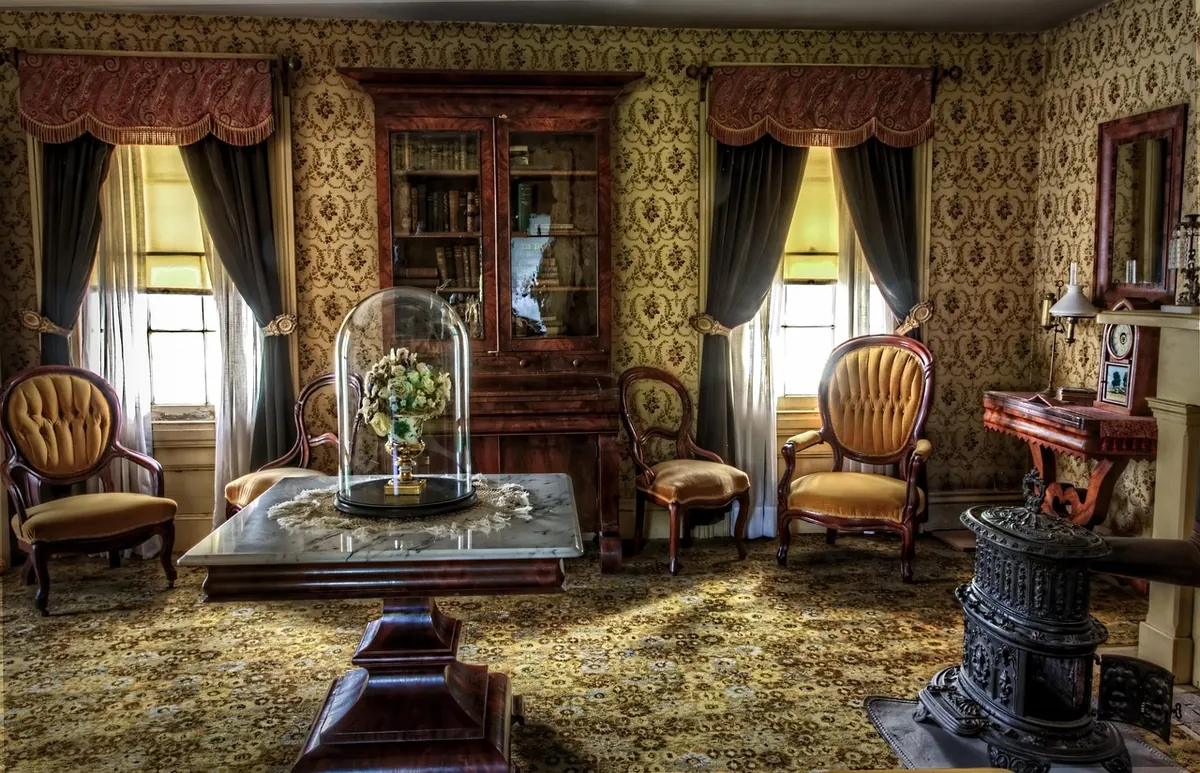
Photo: VinnyCiro / Pixabay